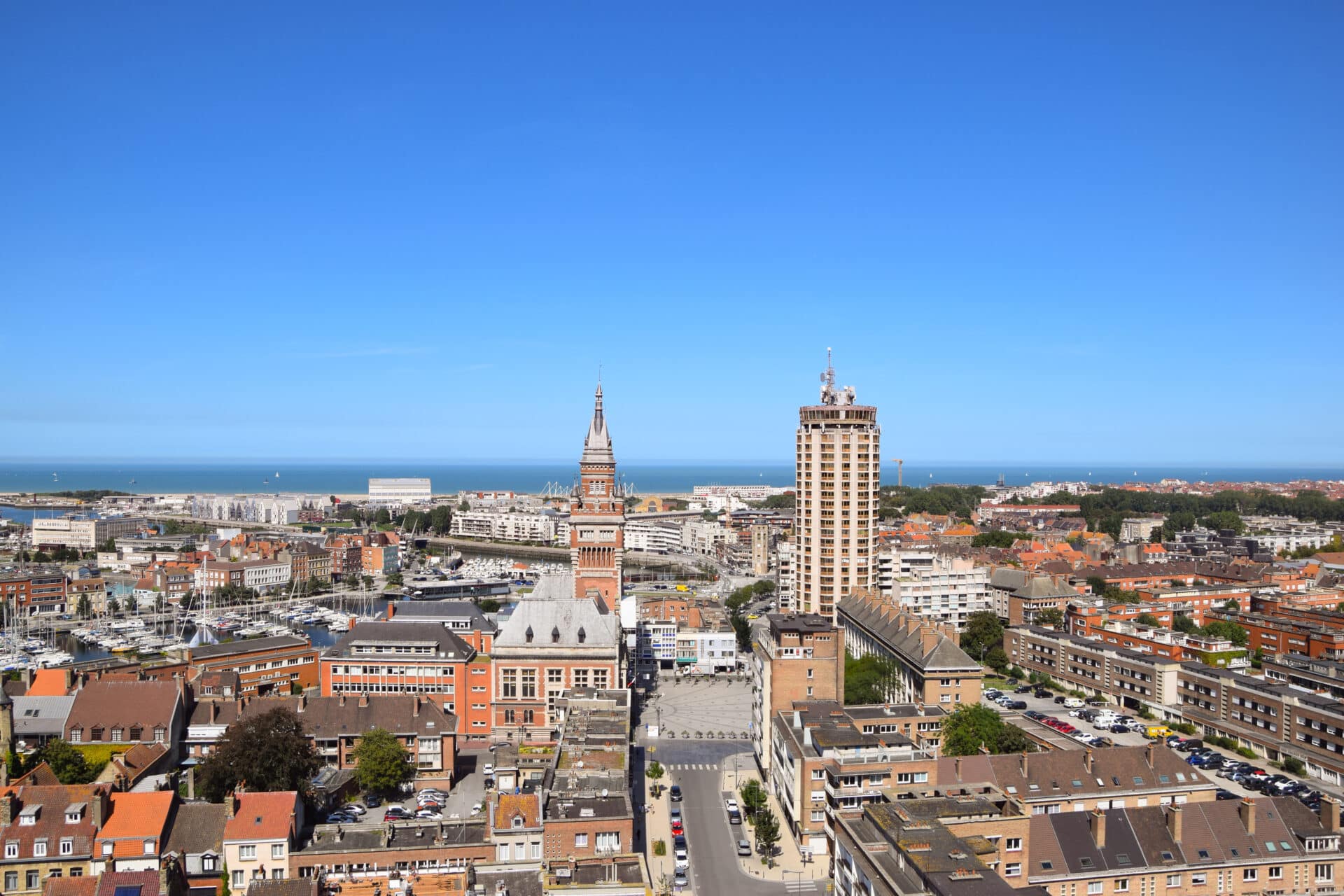
Located at the crossroads of northern Europe’s major maritime and logistics routes, the Dunkirk metropolitan area has emerged as a strategic region for both international trade and the sustainable transformation of industry. As a major industrial and port hub, it is undergoing a profound transformation: to become a European—and even global—leader in decarbonization at the regional level.
An integrated, high-performance industrial and port complex
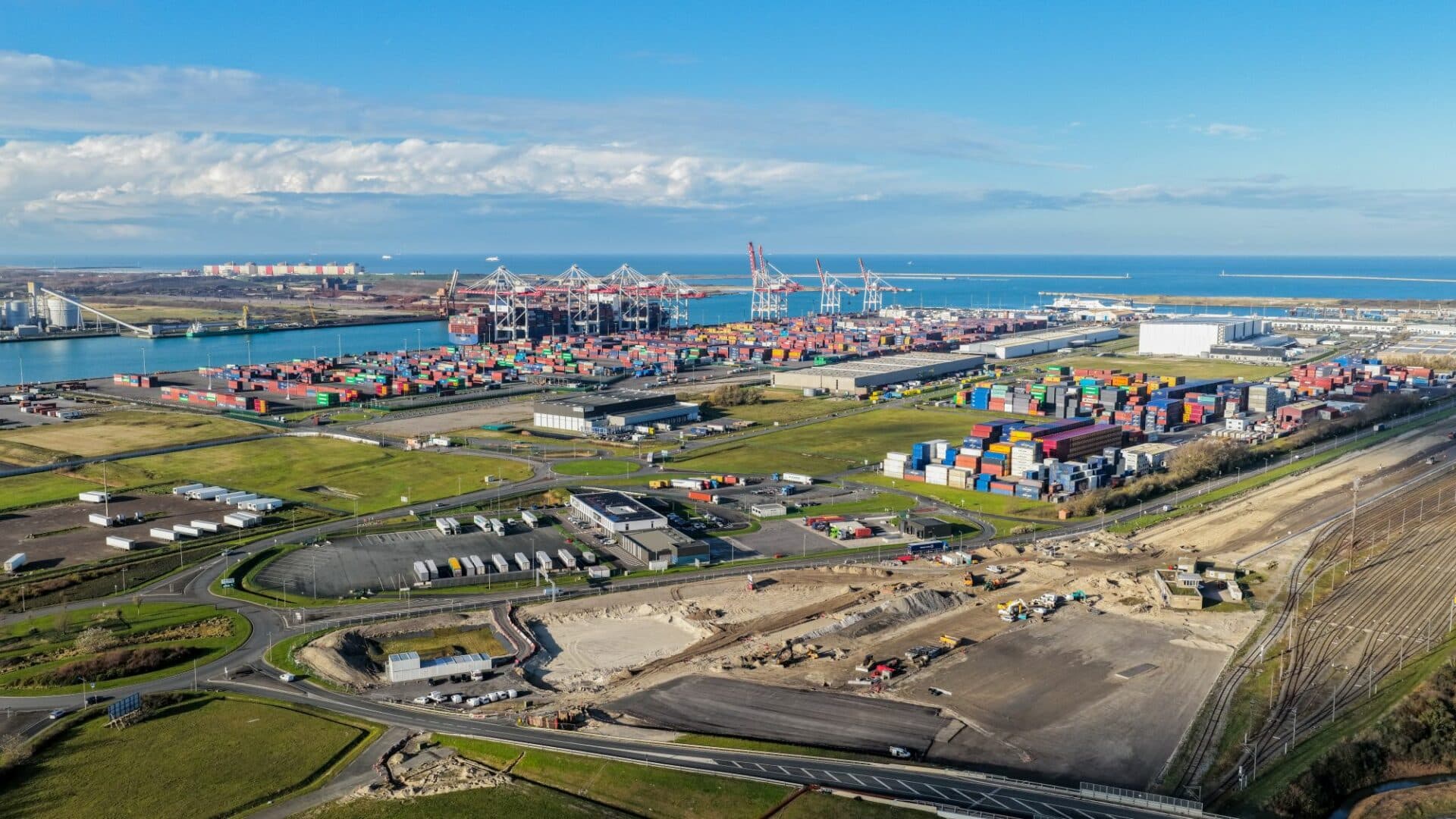
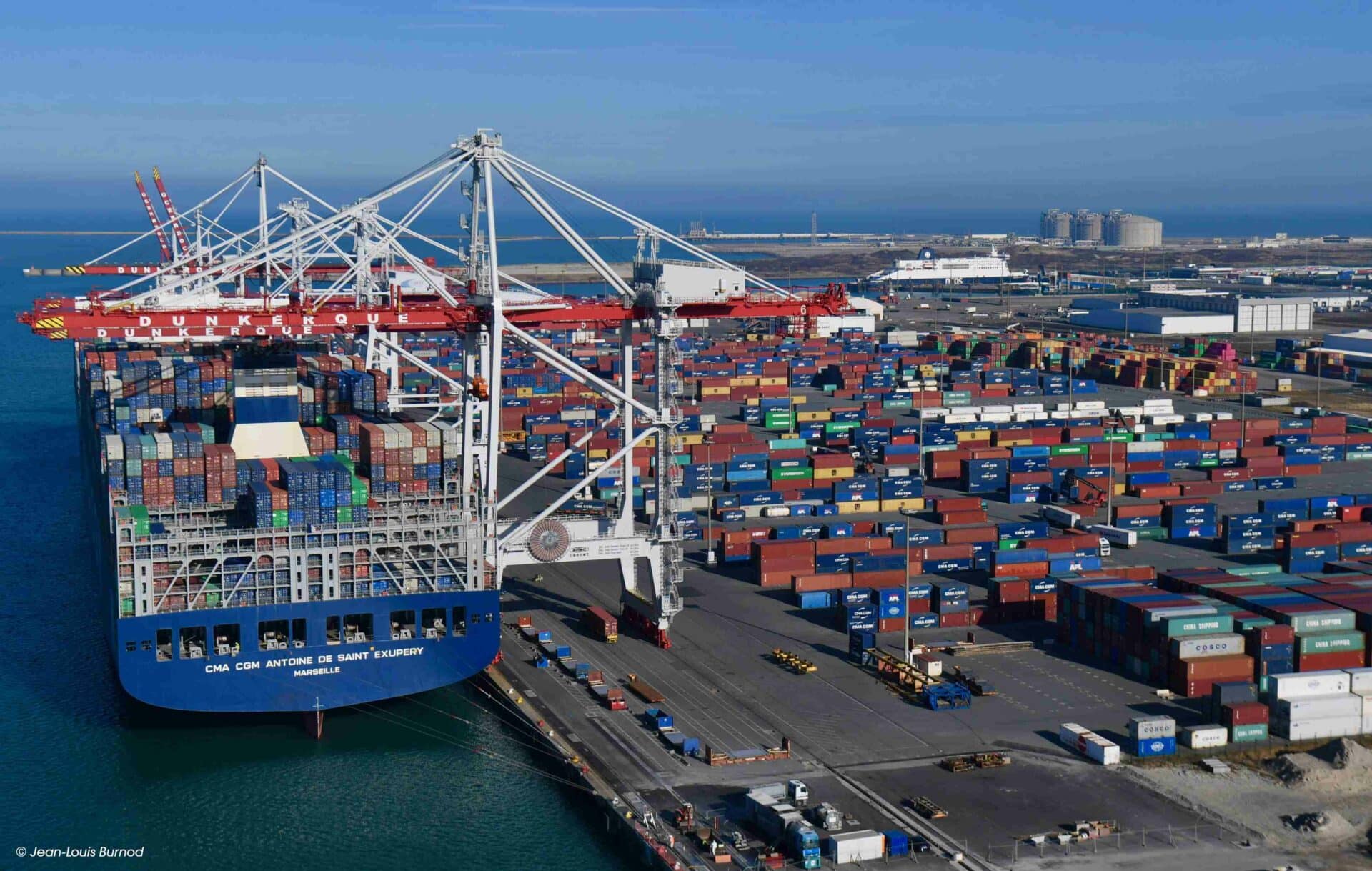
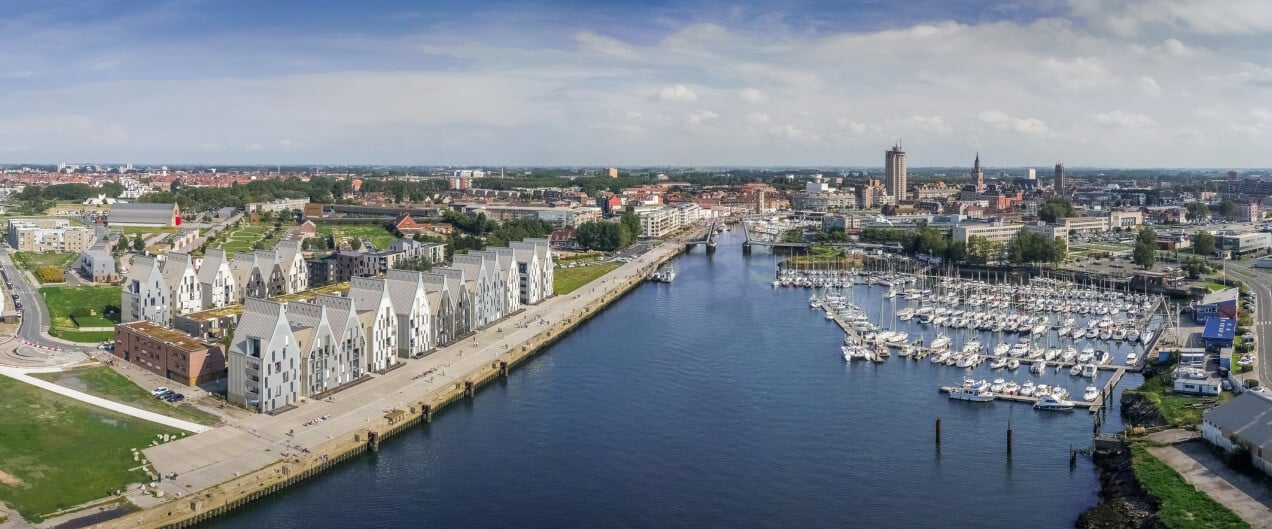
The Port of Dunkirk is a leading multimodal hub, connected to major European economic regions through an efficient network of maritime, rail, inland waterway, and road links. Its capacity to accommodate large vessels, along with its land availability in Northern Europe, makes it a particularly attractive location for industrial investors. This appeal is rooted in an ecosystem structured around strategic sectors undergoing rapid transformation. The establishment of gigafactories and major players in the electric mobility sector confirms the region’s ability to position itself within the key value chains of the energy transition.
From a carbon-emitting region to a region of low-carbon solutions
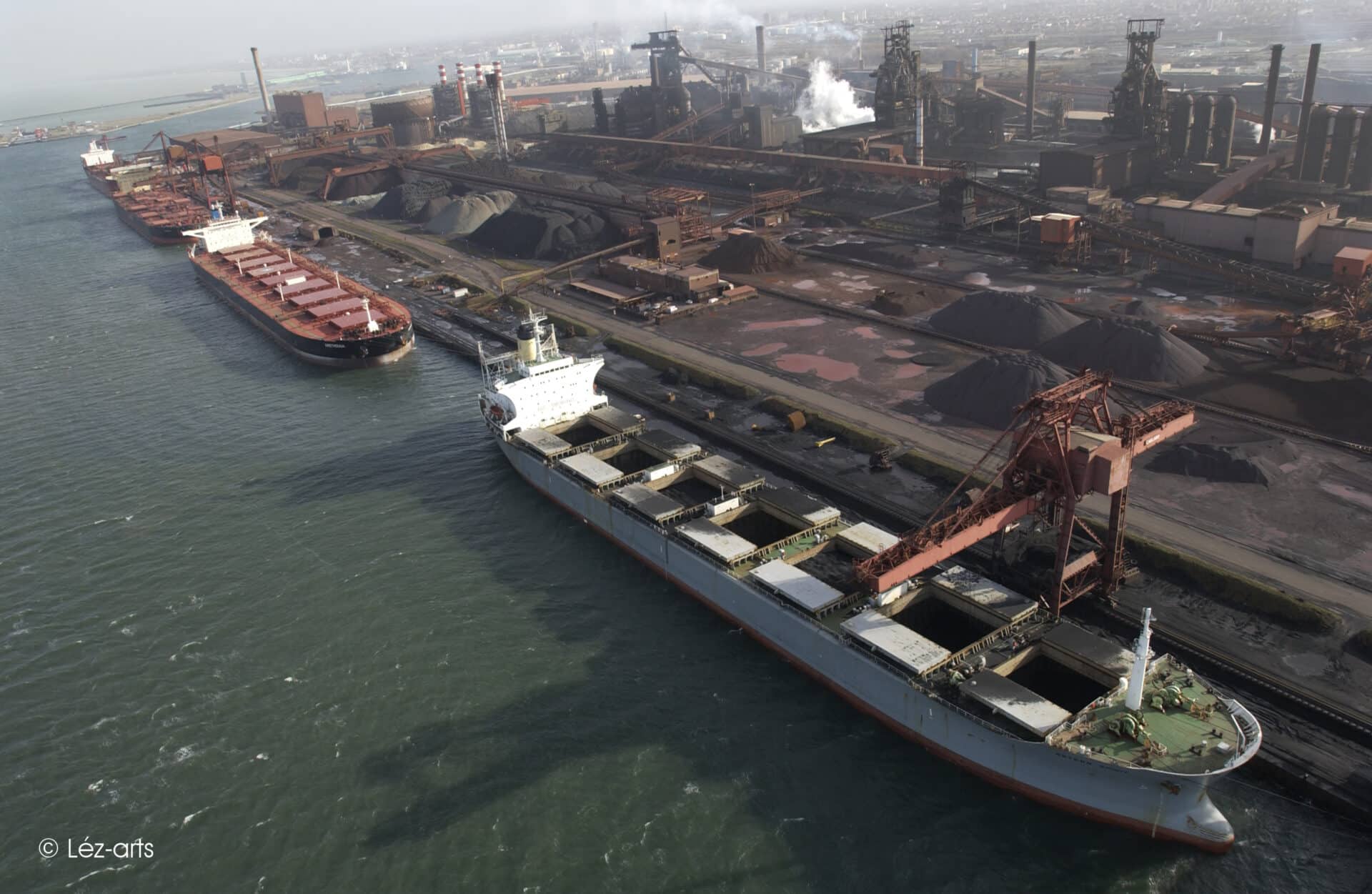
Aware of the climate challenges, the Dunkirk region has made decarbonization a central focus of its development. The collective ambition is clear: to turn the region into a full-scale demonstration site for the ecological transition, shifting from the status of a major industrial emitter to that of a producer of solutions. This transformation relies on a coordinated effort involving manufacturers, Dunkerque-Port, the Dunkerque Urban Community, and all public and private partners. The region is engaged in structural initiatives such as the Low-Carbon Industrial Zones (ZIBaC), with concrete projects for process electrification, recovery of waste heat, hydrogen development, and CO₂ capture and storage projects.
A real-world laboratory for the circular economy
Dunkirk also stands out for the maturity of its industrial and regional environmental initiatives. For several years now, local stakeholders have been developing innovative synergies: recovering and reusing industrial heat for district heating, pooling resources, and valorizing byproducts. These initiatives not only reduce emissions but also improve business competitiveness by optimizing resource use. They demonstrate the region’s ability to experiment, on a large scale, with more resource-efficient and resilient industrial models.
A transition driven by innovation and industries of the future
The Dunkirk region is fully aligned with the industrial trends of the future and has thus become a leader in ecological transition, to the point of being recognized as a true “French laboratory for decarbonization and reindustrialization.” The region has also been selected by the European Union as part of the NetZero Cities program, which aims to support 100 cities in achieving climate neutrality by 2030. The Dunkirk Urban Community thus aims to achieve carbon neutrality for its metropolitan area by 2030 and for its industrial hub by 2050, notably through the massive expansion of renewable and decarbonized energy sources.
A pioneer in sustainable and inclusive mobility
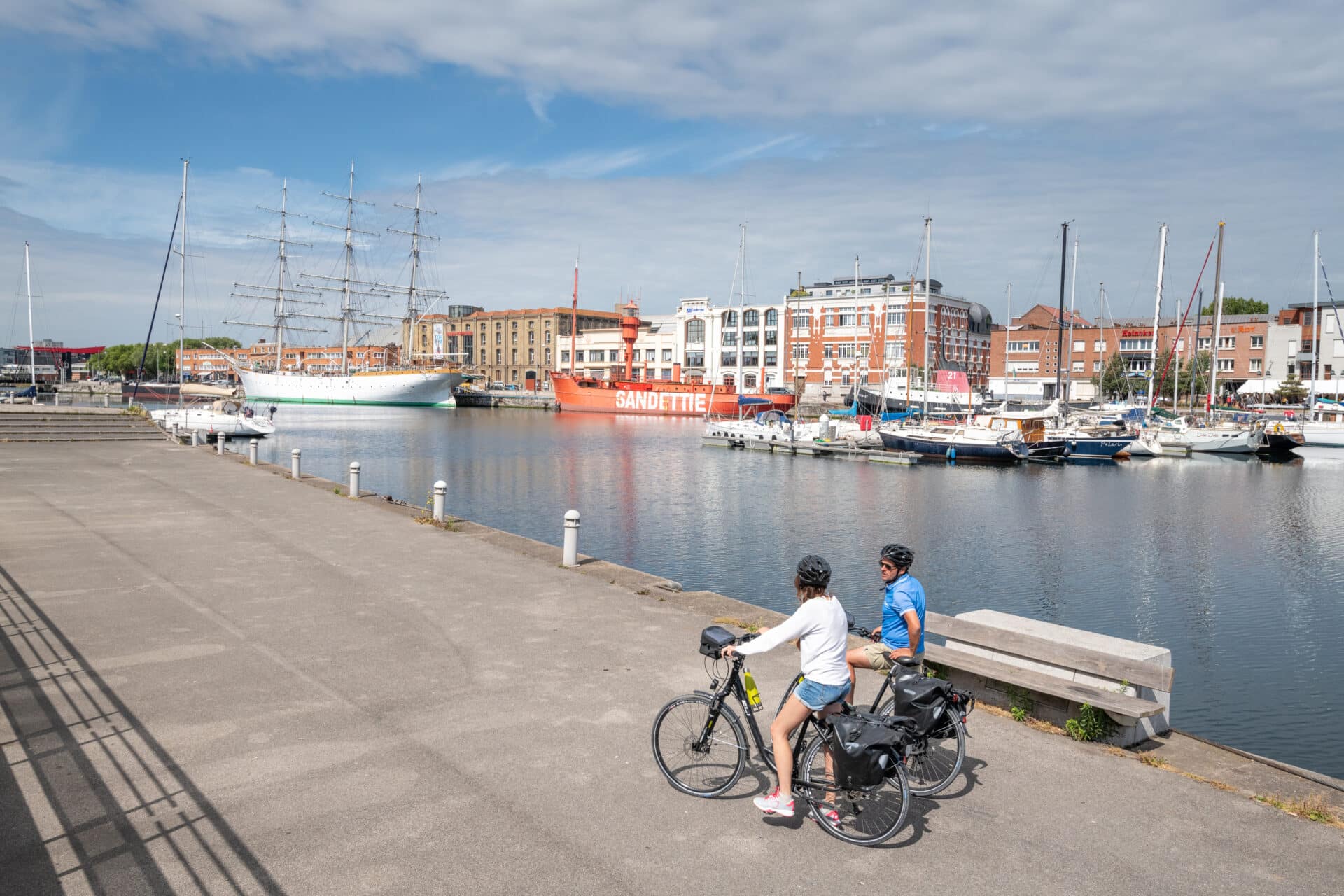
Beyond industry and the port, Dunkirk is also innovating in everyday mobility. The Urban Community has established itself as a pioneer in green and inclusive mobility. It is now the largest European metropolitan area to have introduced completely free public bus transportation, making travel easier while reducing its carbon footprint. This ambitious policy helps boost the region’s appeal and improve residents’ quality of life. In addition, Dunkirk is developing an innovative model for commuting to work, based on the concept of “parking-free factories.” This initiative aims to support the 20,000 industrial jobs currently being created in the region by promoting alternative, sustainable, and shared transportation solutions.
An attractive region that puts its residents first
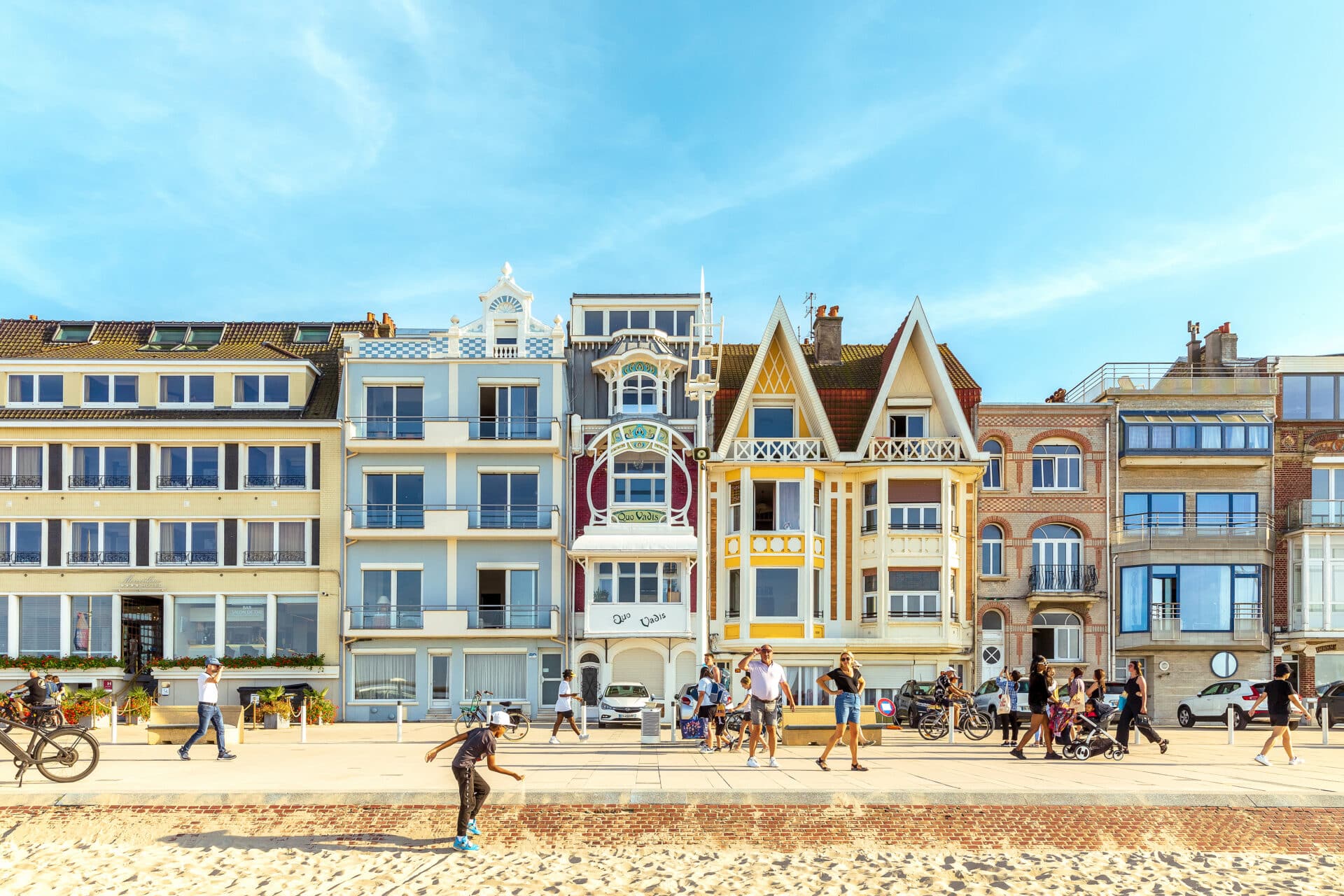
One of the unique features of the Dunkirk model lies in its ability to reconcile industrial development with quality of life. Dunkirk-Port and the Urban Community jointly champion a vision of a “citizen-centered port,” incorporating issues of urban planning, biodiversity, and social acceptability. Projects such as the Natural Heritage Master Plan and initiatives promoting sustainable transportation illustrate this commitment to building a balanced region where industry coexists harmoniously with natural and urban spaces. They reflect a strong commitment: to make industrial and port development a shared endeavor that creates value for the entire region.
A collective ambition with global reach
The transformation underway in Dunkirk is driven by exemplary initiative and strong partnership-based governance. Dunkerque-Port, the Urban Community, and local industries are working together to make the region a showcase for the ecological transition on an industrial scale. By demonstrating that it is possible to reconcile competitiveness, innovation, and carbon neutrality, Dunkerque is establishing itself as an inspiring model for major international port regions. More than just a transformation, it is a reinvention: that of a 21st-century industrial port—decarbonized, innovative, and deeply rooted in its region. Dunkerque is no longer merely an industrial region; it is becoming a full-scale demonstration site for the solutions of tomorrow.