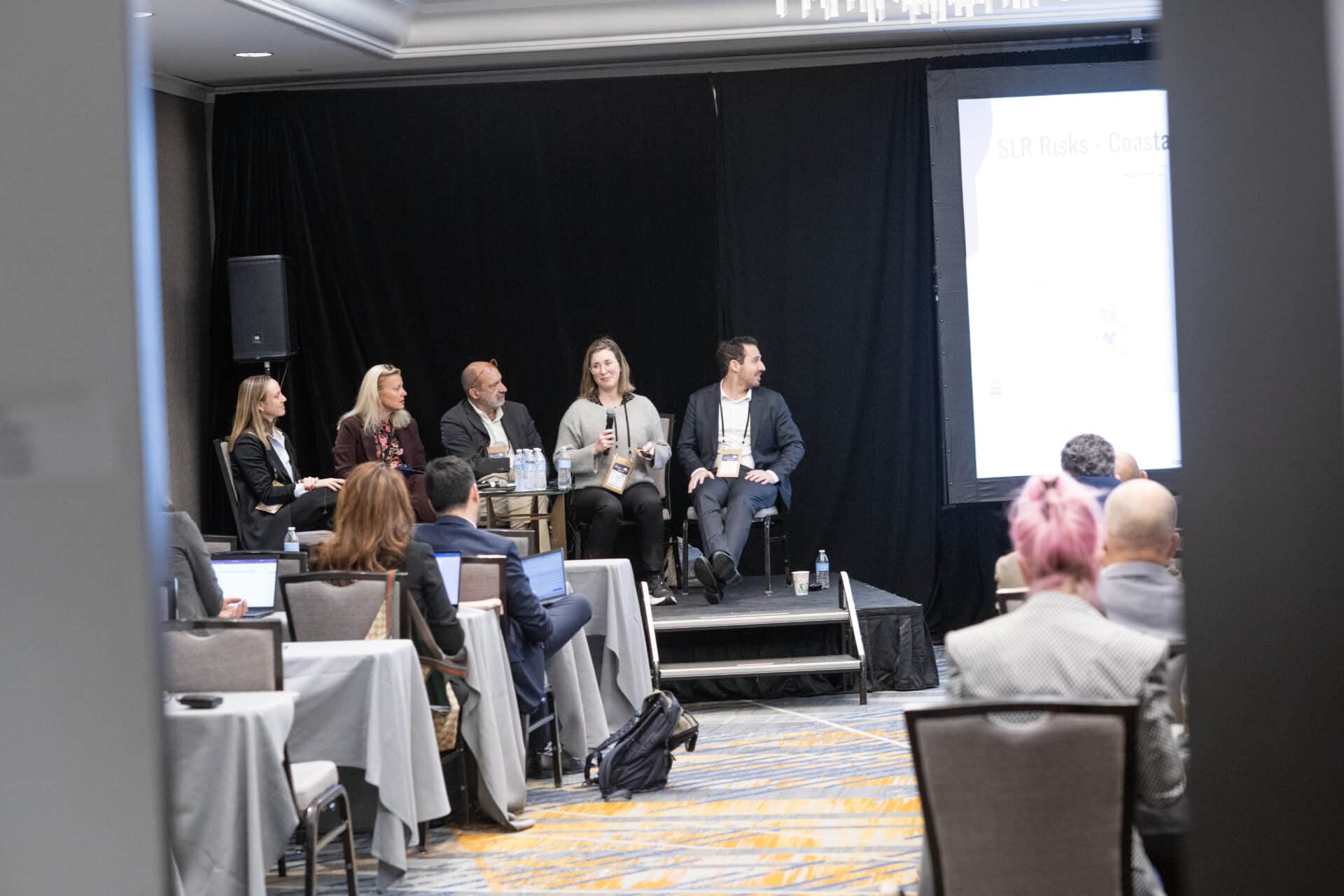
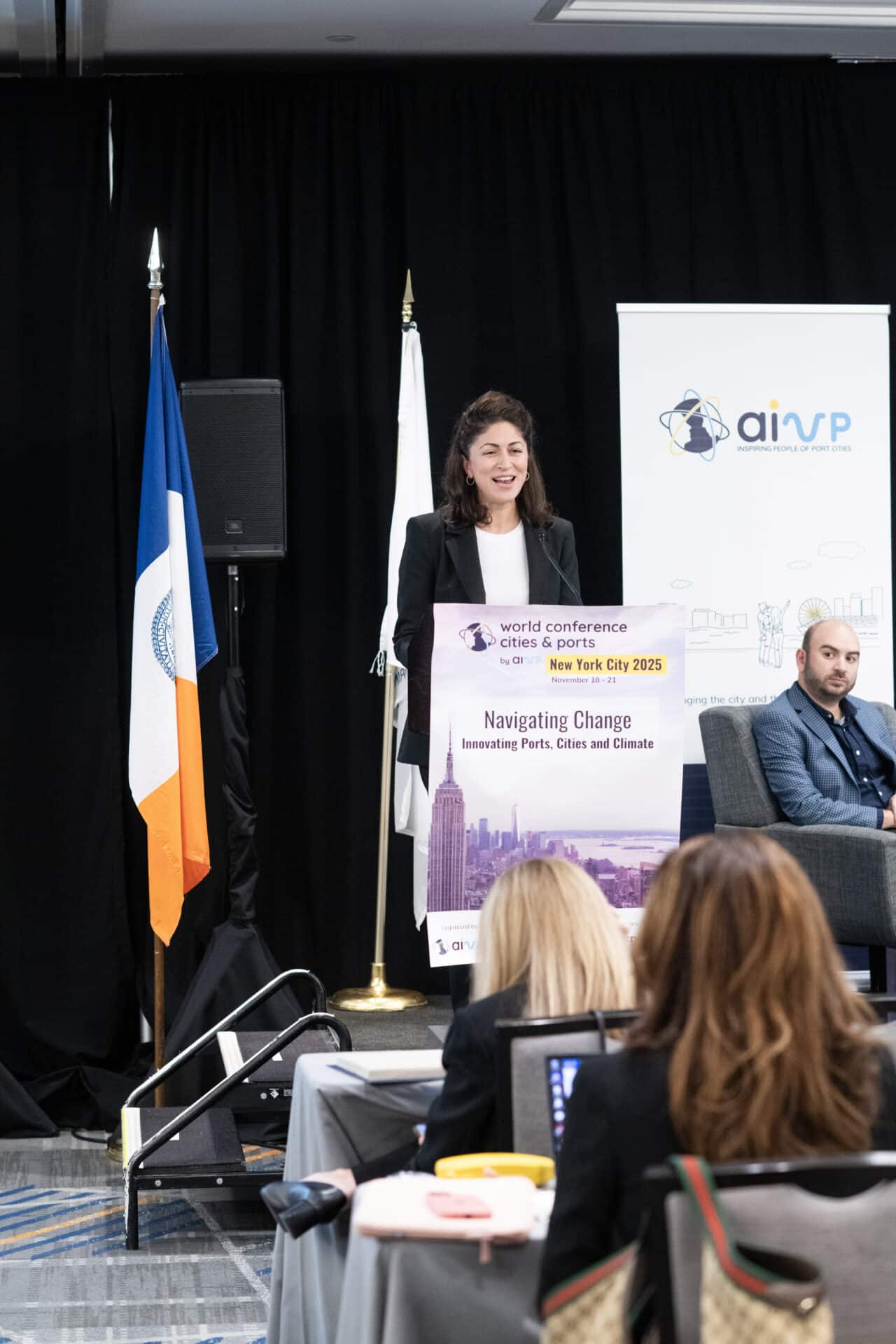
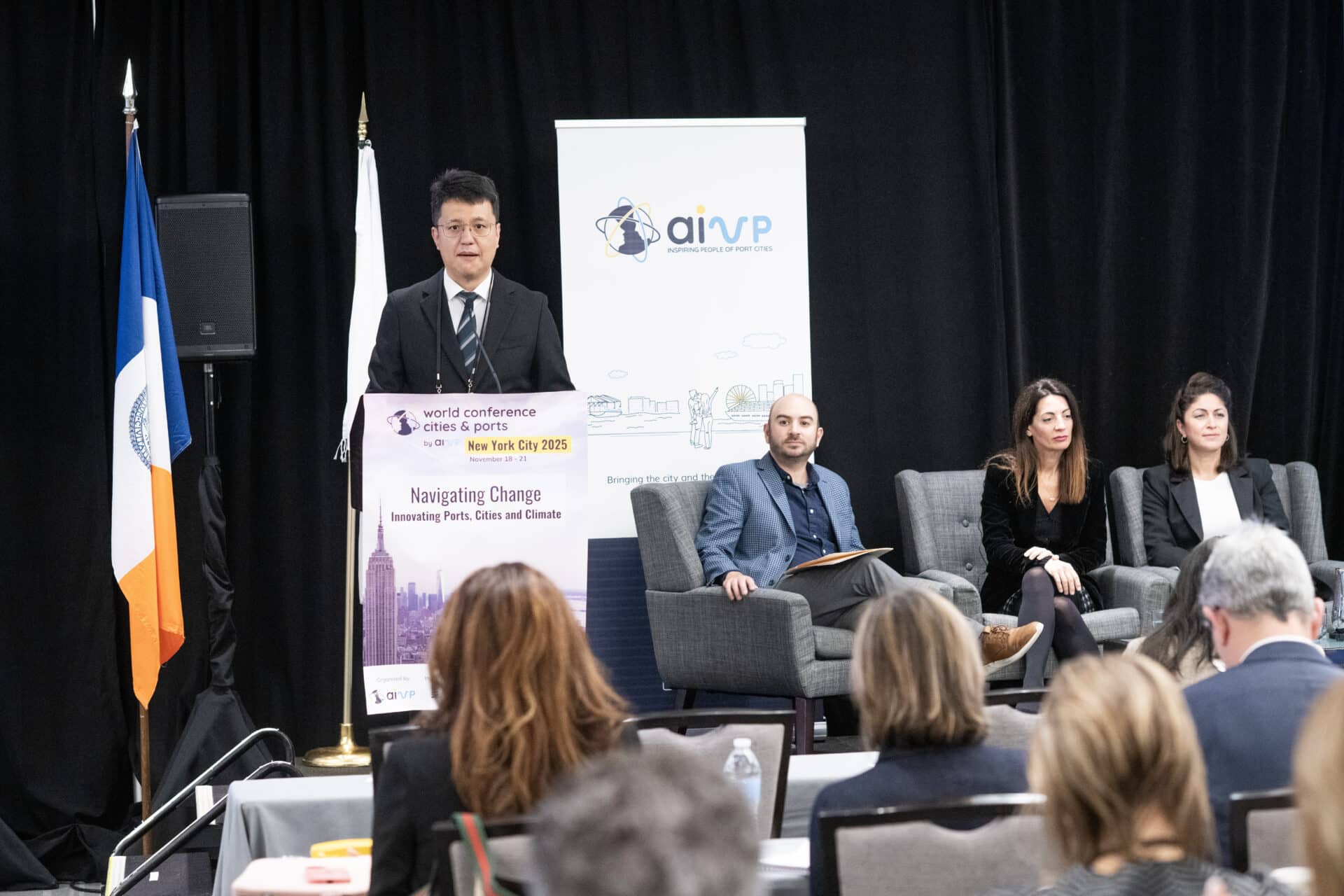
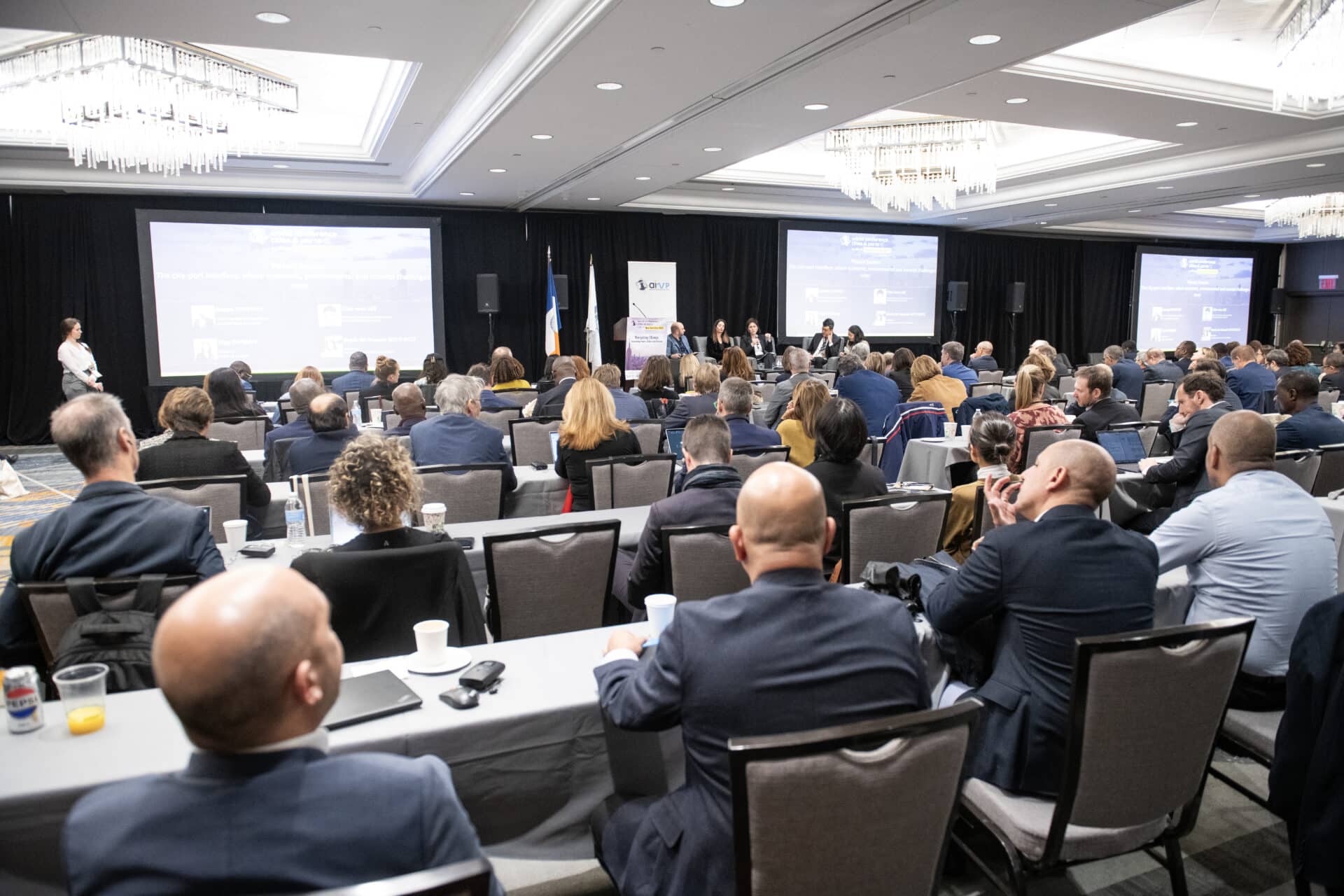
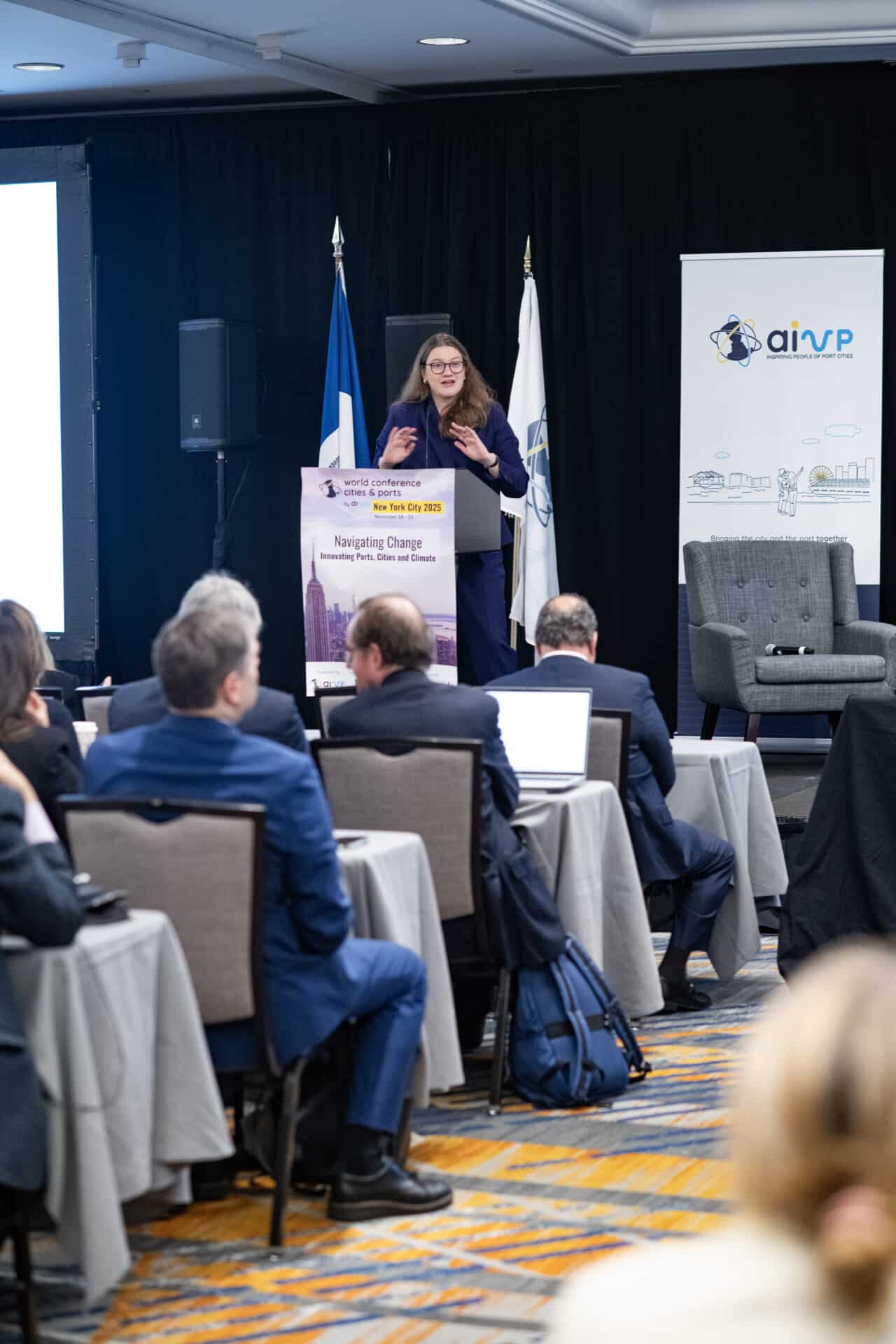
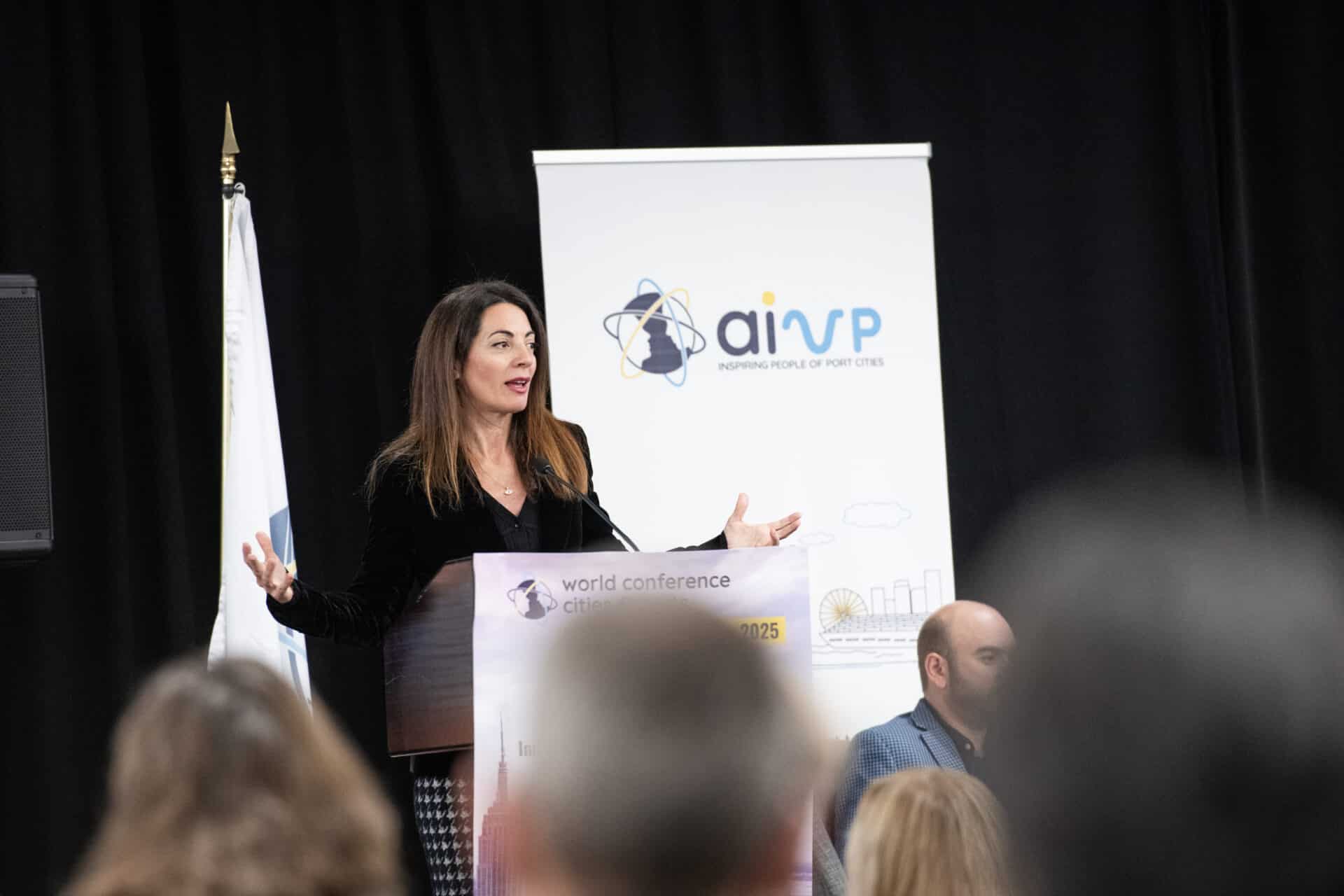
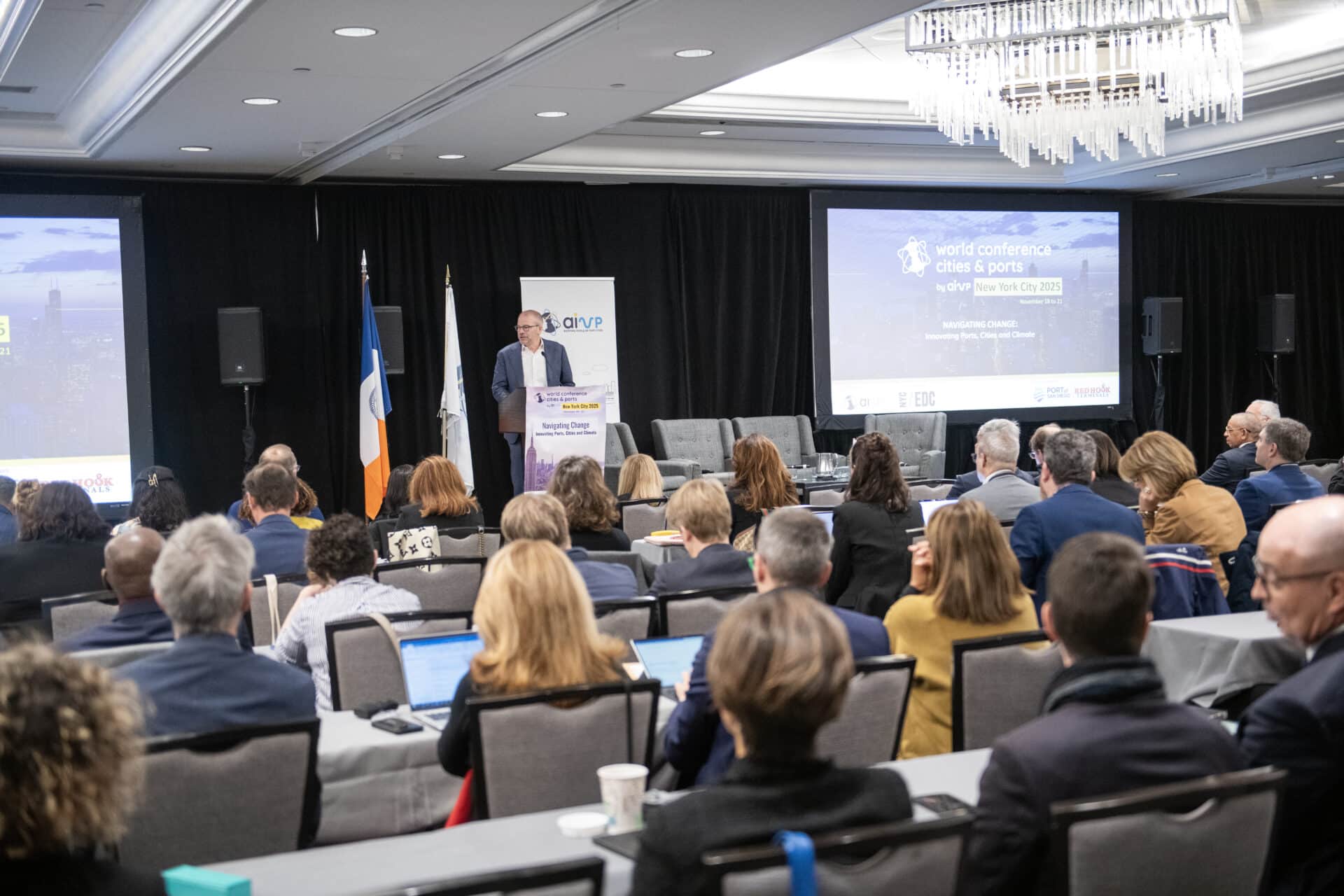
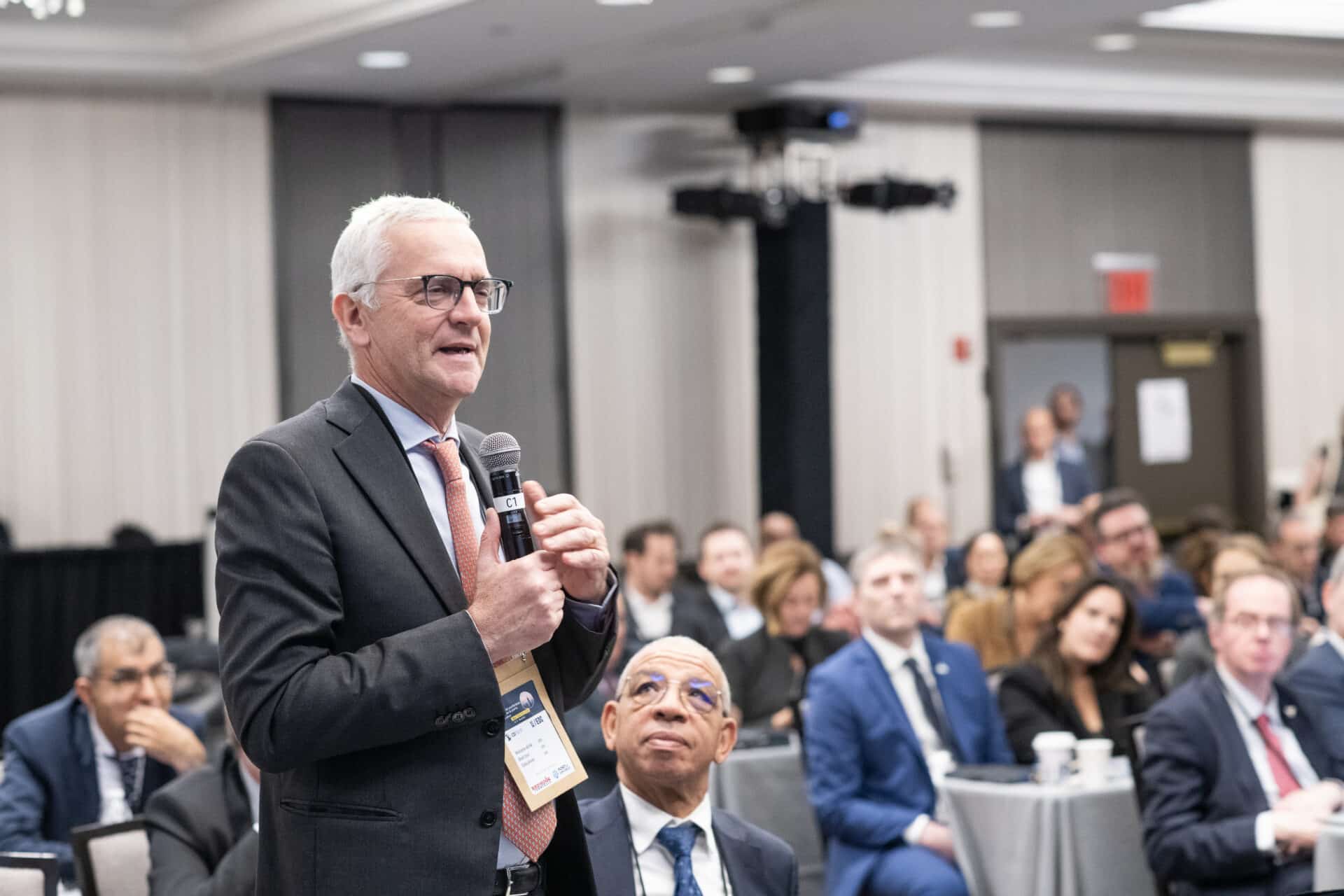
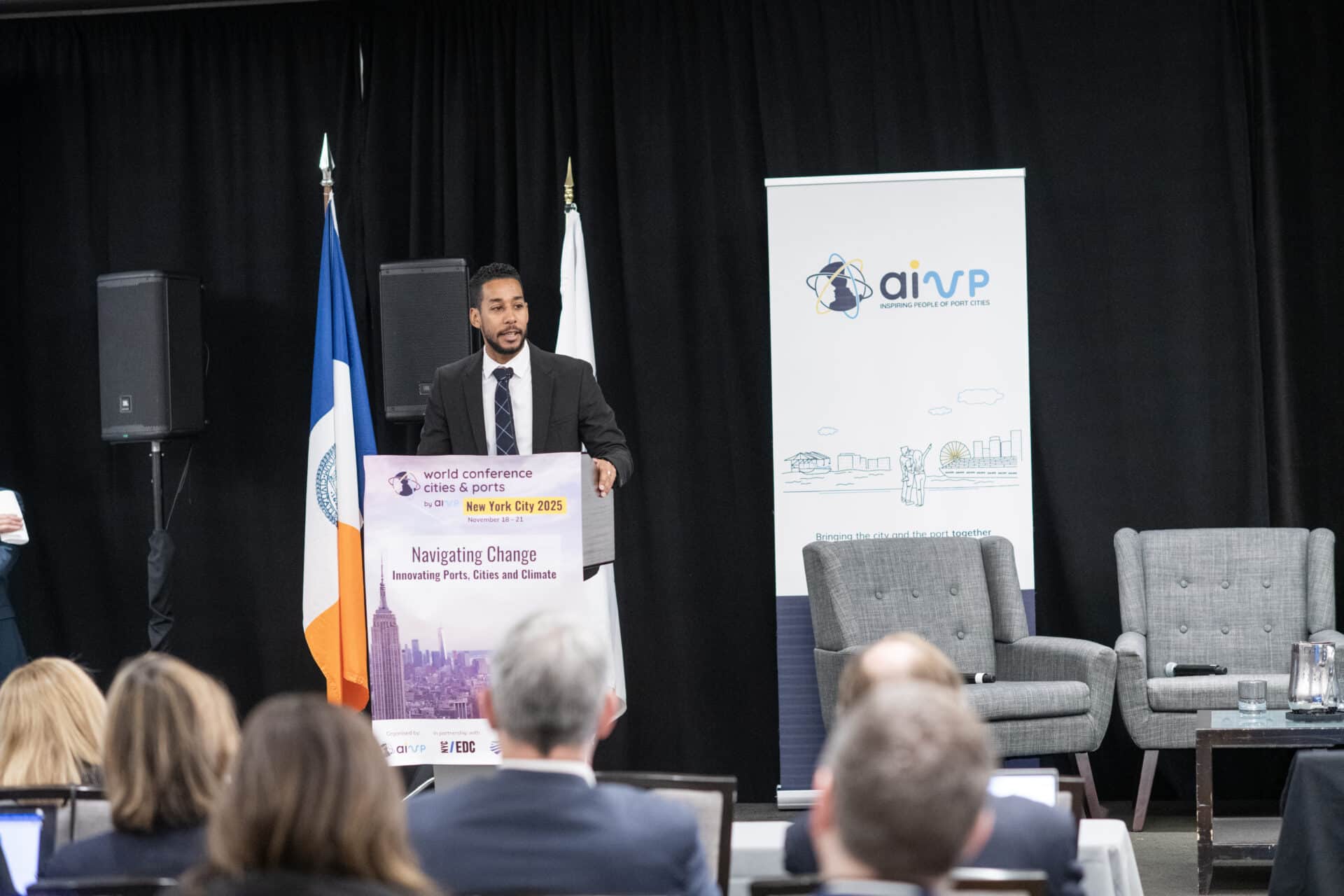
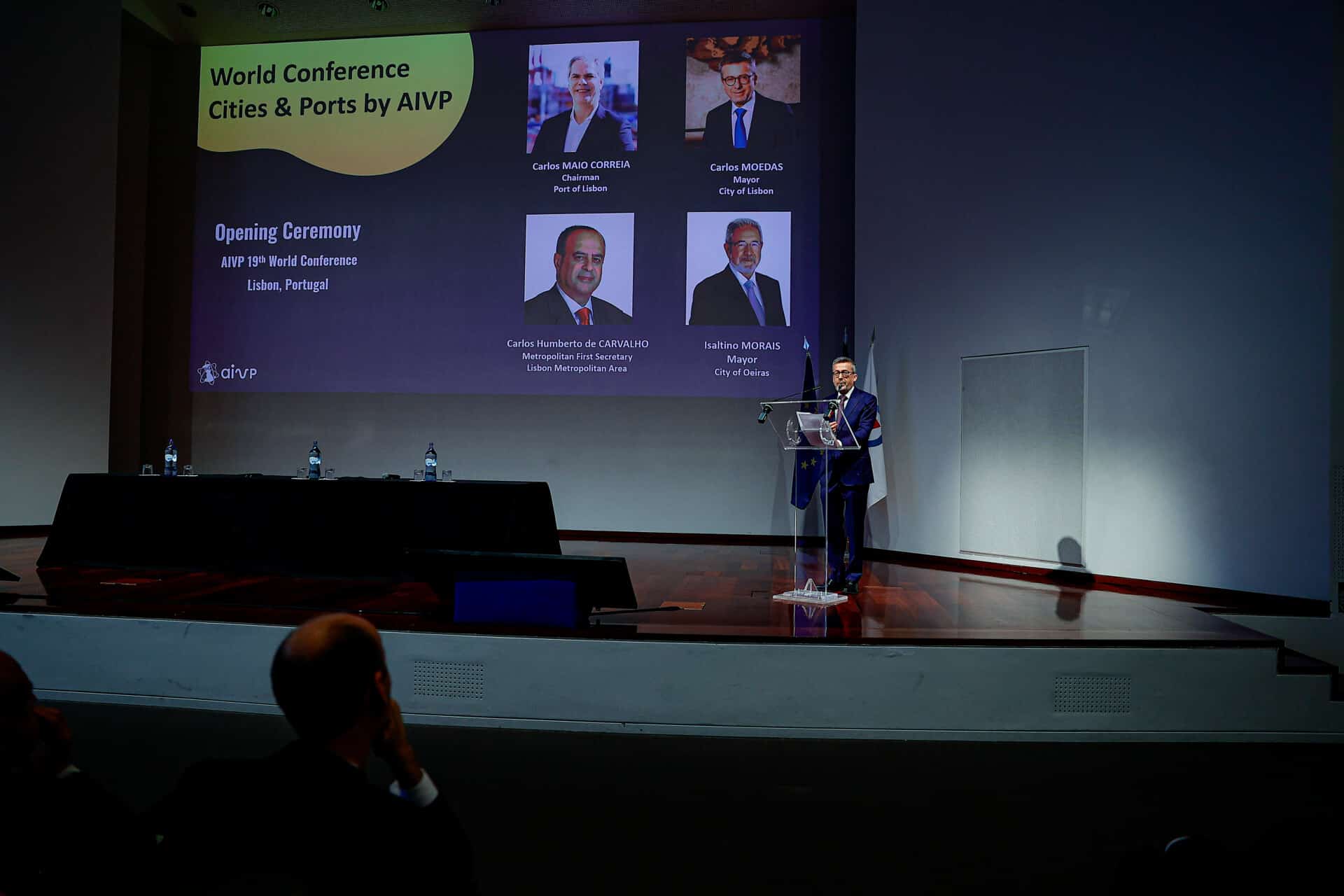
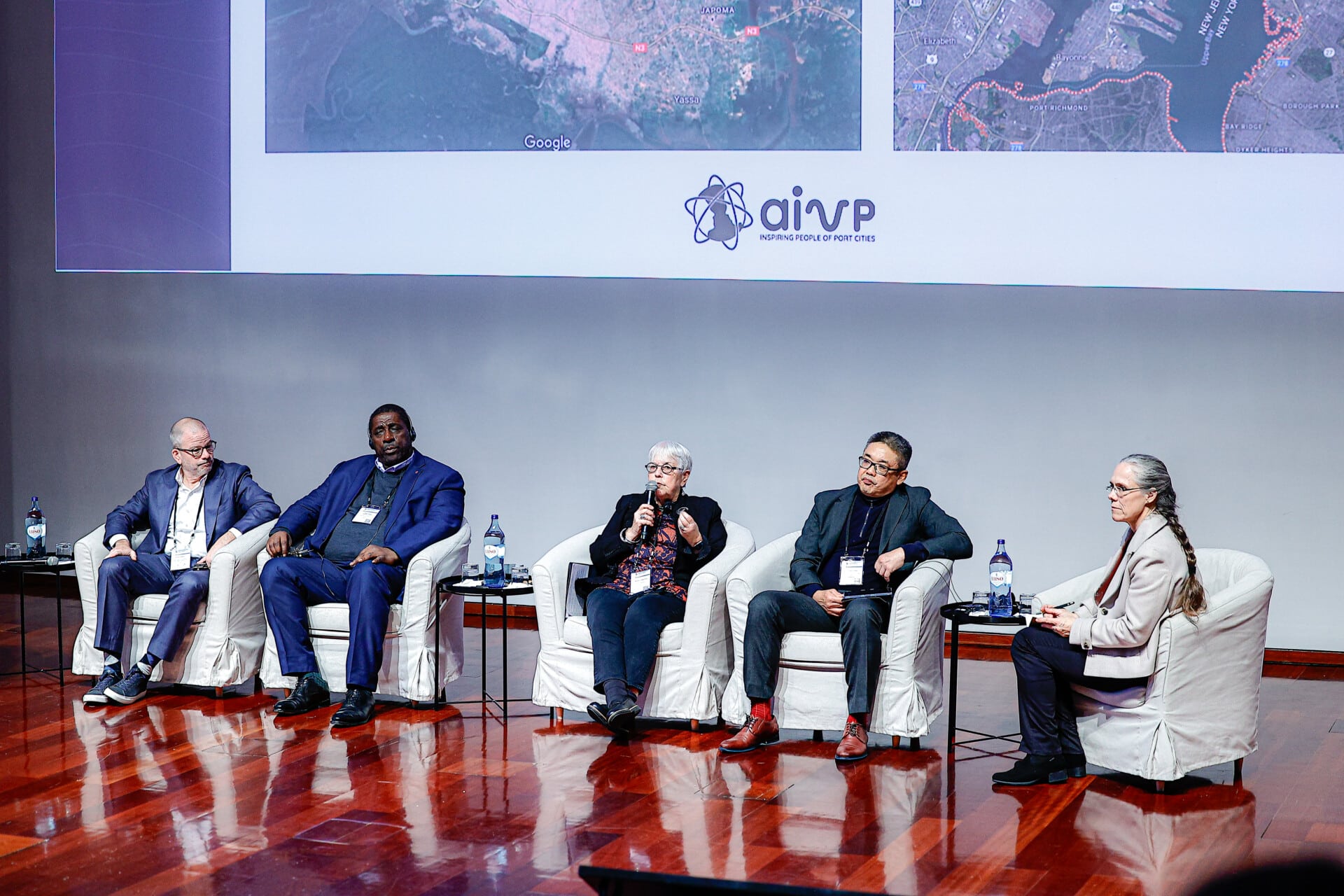
The call for abstracts for the 21st Edition of the AIVP Cities and Ports World Conference is open until 23:59 CEST on May 22.
Each proposal will be carefully reviewed by the AIVP team. All candidates will be informed of the results at the end of June.
Particular attention will be given to contributions that have not already been presented at previous AIVP conferences, as well as to the diversity of approaches from different regions of the world.
Below, you will discover the parallel tracks that will be addressed during the AIVP World Conference Cities & Ports:
Track A
Sharing knowledge and risks
In this section, we wish to discuss how port and urban stakeholders can define new approaches to cooperation; how they share the responsibility inherent in their roles; and what the most innovative methods are for disseminating and sharing the knowledge generated in these areas.
Description:
The convergence of climate change and the energy transition, with geopolitical tensions and renewed social ambitions, calls for new, innovative approaches that facilitate the engagement of different stakeholders. Private and public actors must cooperate. Institutional frameworks are questioned and stretched to respond to new challenges. At the same time, we live in a data society, with knowledge and information more abundant than ever before. How, then, can we best leverage this knowledge and these data to support city-port governance? How can we ensure their availability and dissemination to facilitate shared risk management and renewed community engagement?
Keywords:
- Civic and stakeholder engagement
- Institutional cooperation
- Public-private partnerships
- Knowledge and data sharing
- Innovative, multi-level, and collaborative governance
- Risk management and institutional resilience
- Shared financing
Track B
Sharing solutions to improve our environment
In this session, we aim to present technical, financial, and social best practices that help create a better environment for everyone within port areas, for both citizens and nature.
Description:
Port cities are often still perceived as polluted, unhealthy and closed-off areas. However, in recent years, local and port authorities have stepped up their efforts to preserve and protect the environment in response to various challenges. The scale and scope of these initiatives
have grown; stakeholders in port cities are developing solutions and engaging new partners, thereby demonstrating their value to the local community by protecting the health of its residents and contributing to their prosperity and well-being. So, how can we develop ports and cities in a way that has a positive impact? What steps can be taken to promote the resilience of infrastructure and the natural environment? How can port cities protect their biodiversity as they transition toward a circular and clean economy?
Keywords:
- Climate resilience
- Healthy environments
- Environmental protection
- Circular economy and water
- Biodiversity and pollution reduction
- Energy transition
- Nature-based solutions
- Low-tech cities
- Climate-specific financing and financial mechanisms
Track C
Sharing spaces and land use
The presentations on this topic will seek to address how to reconcile the various port and urban activities taking place within the port-city area, given the scarcity of land.
Description:
Port cities are generally areas where available land is limited due to urban sprawl and the intensification of port activities. The impact of urbanization and industrialization on increasingly large land areas is causing growing concern. National and local governments are and will be called upon to regulate land use and achieve a sustainable balance in the use of their territories. Indeed, processes such as the energy transition and climate resilience require increasing amounts of land and resources; in various regions of the world, there is also a growing interest in reindustrialization, linked to greater sovereignty in the face of international conflicts and supply chain disruptions. Citizens have a significant interest in more public spaces, as well as in greener and bluer spaces that are more natural and preserved. In this context, we ask ourselves: How can local authorities plan mixed-use areas? How can stakeholders in port cities strike a balance in land use? How can we create spaces that allow for a seamless interface between port activities and urban life?
Keyword:
- Mixed-use development
- Shared use of waterways
- Land-use planning and spatial planning tools
- Public spaces
- Urban and landscape integration
- Accessibility and mobility of goods and people
- City-port interfaces, passengers, and ferries
- Reindustrialization
Guidelines
Conditions of participation
Selected speakers undertake to attend the conference and to register at the preferential rate reserved for them, set at €770 (excluding VAT).
Applications
We invite submissions of research findings, case studies, and projects, whether completed or in progress. Practitioners, researchers, and representatives from public, private, or non-profit organizations are encouraged to contribute. Submissions should bring diverse perspectives across regions, institutions, and themes.
The application form must be completed in one of AIVP’s three official languages: French, English or Spanish. The maximum length of the abstract should be 800 characters.
All sections of the form must be completed in full. Submissions made outside the form will not be accepted.
AIVP’s mission is to share original information and innovative case studies for sustainable port cities. The organization will prioritize new presentations and projects that have not been shared in previous AIVP World conferences. We will also emphasize the diversity of approaches from different regions of the world in our conference.